Aluminum Foundry: Benefits of Advanced Die Casting Techniques
Wiki Article
Everything You Required to Find Out About Light Weight Aluminum Castings: Realities, Advantages, and Provider Offered
Aluminum castings are indispensable to modern manufacturing, using a combination of light-weight and longevity. They are used across different markets, from automotive to aerospace. Comprehending the spreading benefits, processes, and applications is vital for any individual included in manufacturing. Additionally, the choice of aluminum alloys and quality control measures play a substantial function in efficiency. Discovering these aspects reveals much about the future of light weight aluminum casting solutions and their advancing impact on market criteria.Review of Light Weight Aluminum Spreading Processes
Aluminum casting procedures represent a vital section of manufacturing, enabling the production of complex shapes and components with high dimensional precision. These procedures include numerous methods, such as sand spreading, pass away casting, and financial investment spreading, each customized to specific applications and needs. Sand spreading involves creating a mold and mildew from sand and is excellent for large parts, while die spreading uses high-pressure shot of molten light weight aluminum into metal mold and mildews for specific, high-volume production. Financial investment casting, on the various other hand, supplies intricate designs by developing a wax pattern covered with a ceramic shell.Furthermore, the selection of casting method relies on aspects like the preferred surface coating, quantity of manufacturing, and material properties. Each technique provides one-of-a-kind challenges and benefits, affecting the end product's quality and efficiency. Understanding these procedures is necessary for producers intending to satisfy specific market standards and attain operational effectiveness.
Key Advantages of Aluminum Castings
The advantages of light weight aluminum spreadings are considerable, making them a recommended option in various industries. One major benefit is their lightweight nature, which contributes to minimized transport prices and boosted gas efficiency in applications such as automobile and aerospace. In addition, aluminum possesses excellent rust resistance, extending the lifespan of elements and minimizing upkeep needs.
Aluminum castings additionally show excellent thermal and electric conductivity, making them suitable for applications calling for efficient heat dissipation or electric transmission. The material's malleability enables complex layouts, allowing suppliers to develop intricate shapes with precision.
Furthermore, aluminum spreadings can be easily recycled, promoting sustainability and minimizing environmental impact. The rapid production prices connected with aluminum spreading processes improve general efficiency, allowing quicker time-to-market for items. With these advantages, light weight aluminum castings remain a vital selection for makers intending for high performance and integrity in their offerings.
Applications of Light Weight Aluminum Castings in Numerous Industries
Light weight aluminum spreadings play an important role in numerous markets, particularly in automobile and aerospace applications. In the automotive sector, these spreadings add to lightweight frameworks and improved gas performance. Meanwhile, the aerospace industry benefits from their strength-to-weight ratio, which is vital for performance and safety.Automotive Sector Applications
As the automobile sector progressively looks for to improve performance while reducing weight, aluminum spreadings have actually arised as a pivotal option. These castings are extensively utilized in numerous elements, including engine blocks, transmission real estates, and suspension components, as a result of their exceptional strength-to-weight ratio. Light weight aluminum's light-weight nature adds to boosted fuel effectiveness and general lorry efficiency. Furthermore, light weight aluminum castings can be elaborately created, enabling complex shapes that maximize air movement and minimize drag. The material also supplies premium corrosion resistance, prolonging the lifespan of auto elements. Producers gain from light weight aluminum's recyclability, lining up with sustainability goals in the market. On the whole, light weight aluminum spreadings represent an essential improvement in the search of ingenious vehicle layout and efficiency.Aerospace Industry Utilizes
While the aerospace industry requires high performance and dependability, light weight aluminum spreadings provide essential benefits that fulfill these extensive standards. Lightweight yet strong, light weight aluminum castings substantially minimize general airplane weight, boosting gas efficiency and performance. They are utilized in different parts, including engine real estates, architectural components, and landing equipment, supporting complicated layouts that call for precision and durability. The rust resistance of light weight aluminum likewise adds to longer service life and minimized maintenance prices. Moreover, improvements in casting modern technology allow for intricate geometries and enhanced mechanical buildings, making light weight aluminum spreadings a recommended selection. As the aerospace industry proceeds to evolve, the function of aluminum castings remains pivotal in achieving ingenious solutions that attend to both security and performance.Various Sorts Of Light Weight Aluminum Alloys Used in Casting
When exploring the domain of light weight aluminum casting, it ends up being necessary to understand the different kinds of light weight aluminum alloys available, each offering distinct buildings fit for various applications. Light weight aluminum alloys are primarily classified into 2 teams: wrought and cast alloys - Metal Castings. Cast alloys are marked by a four-digit number system, with the very first digit suggesting the major alloying aspect1xx.x alloys Metal Castings are pure light weight aluminum, while 2xx.x alloys consist of copper, enhancing stamina however lowering deterioration resistance. Alloys such as 3xx.x, that include silicon, are favored for their fluidness and low contraction, making them excellent for elaborate spreadings.
An additional common group, 5xx.x alloys, integrate magnesium, giving outstanding rust resistance and weldability. Each alloy type is chosen based on certain performance requirements, including weight, stamina, and resistance to environmental aspects, making certain premium cause different industrial applications.
Quality Assurance Measures in Light Weight Aluminum Spreading
Efficient quality assurance steps are essential in aluminum spreading to guarantee the production of premium parts that satisfy market criteria and client assumptions. These procedures generally entail a combination of extensive inspection procedures and standardized screening procedures.Throughout the casting process, drivers keep an eye on important criteria such as temperature level, alloy, and pressure structure to assure uniformity and precision. Aesthetic assessments are carried out to recognize surface defects, while non-destructive screening techniques, like ultrasonic and X-ray assessments, review inner honesty without damaging the elements.
Furthermore, testing for mechanical buildings, such as tensile stamina and hardness, warranties that the last items have the essential longevity and performance qualities.
Paperwork of these high quality control procedures is necessary, as it offers traceability and accountability, allowing manufacturers to deal with any kind of issues immediately. By implementing extensive high quality control actions, light weight aluminum spreading companies can improve their item integrity and keep customer complete satisfaction.
Services for Custom Aluminum Spreading Solutions
Custom light weight aluminum casting remedies provide customized layout capabilities to fulfill details client needs. Utilizing sophisticated casting strategies, these services guarantee accuracy and performance in the production process. This combination permits companies to attain wanted outcomes while enhancing product use and reducing waste.Customized Layout Capacities
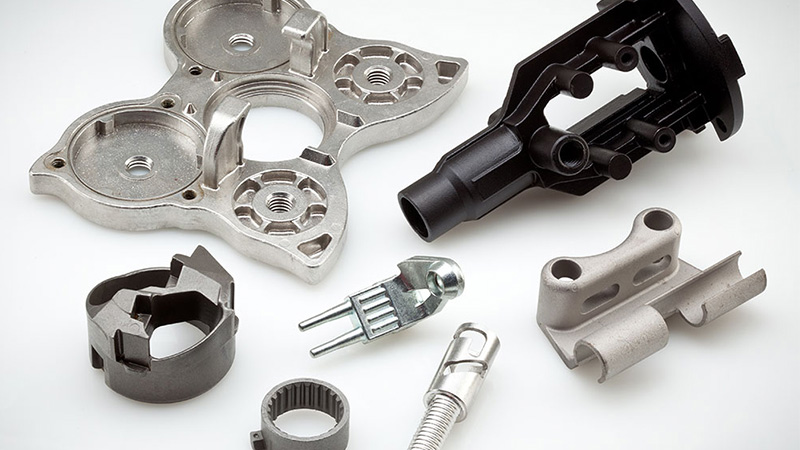
Tailored style abilities play a necessary duty in the growth of customized light weight aluminum spreading options, enabling suppliers to satisfy certain client needs with precision. By making use of sophisticated software program and design competence, firms can create detailed designs that comply with exact specs. These capacities allow customization in measurements, weight, and structural integrity, making certain that each spreading lines up flawlessly with the designated application. In addition, makers can collaborate very closely with customers throughout the style stage, facilitating adjustments and enhancements as required. This collaborative approach not just enhances product efficiency but likewise enhances production performance. Inevitably, tailored design abilities are a critical variable in supplying premium light weight aluminum castings that fulfill special commercial demands, thus improving client contentment and cultivating long-term collaborations.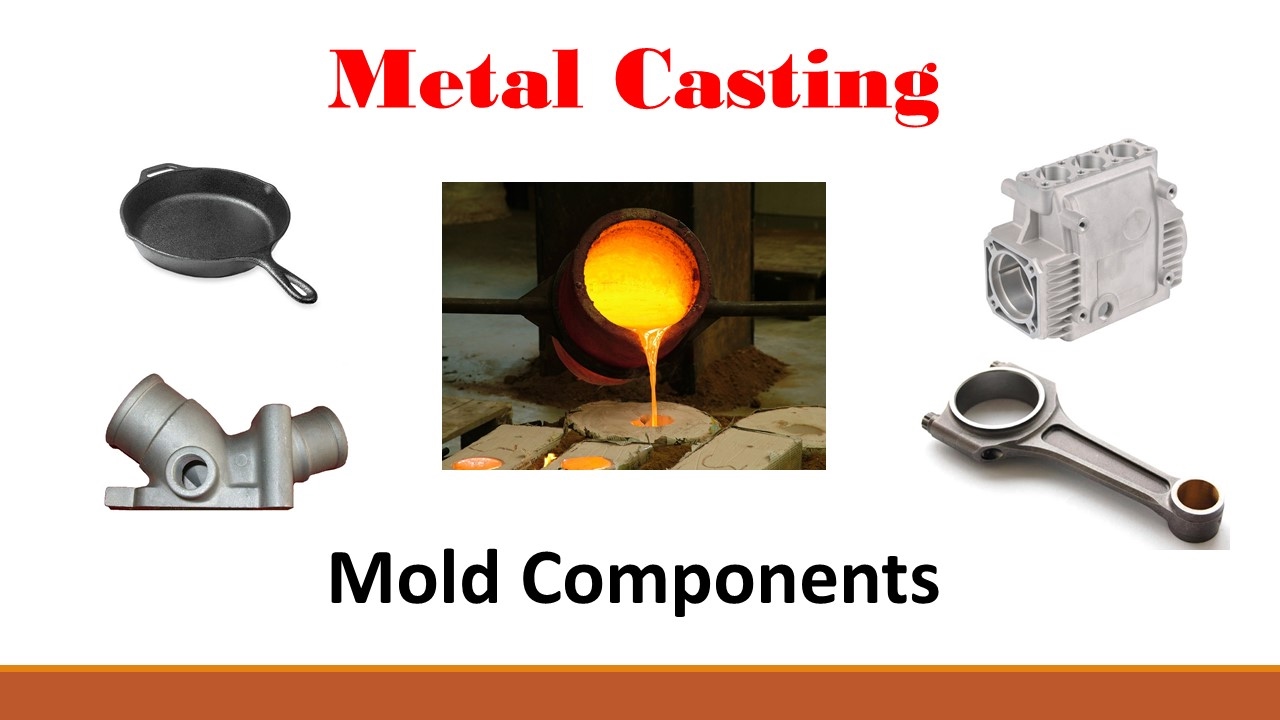
Advanced Casting Techniques
As producers strive to enhance efficiency and item quality, progressed spreading methods have actually become a foundation in the domain name of personalized aluminum casting remedies. These techniques include methods such as die casting, sand casting, and investment spreading, each offering unique advantages depending upon the application. Die spreading, known for its precision and repeatability, is excellent for high-volume production. Sand spreading gives adaptability in style, suiting intricate shapes and larger components. Financial investment spreading masters accomplishing complex information and exceptional surface area coatings. By leveraging these advanced methods, makers can generate lightweight, sturdy, and high-performance light weight aluminum elements customized to particular sector needs. Continual technologies in casting modern technology further boost capacities, making it possible for the production of even more complex geometries and enhancing overall material efficiency.Often Asked Questions
Just How Do Environmental Laws Affect Light Weight Aluminum Spreading Processes?
Ecological regulations substantially affect aluminum spreading processes by enforcing stricter emissions criteria, advertising sustainable techniques, and urging the usage of green products. These laws drive suppliers to innovate and take on cleaner innovations in their procedures.What Are the Usual Issues Located in Light Weight Aluminum Castings?
Usual defects in light weight aluminum spreadings include porosity, shrinking, misruns, cold shuts, and surface imperfections. Wisconsin Aluminum Foundry. These problems develop from aspects like inappropriate temperature control, inadequate mold and mildew layout, or contamination, impacting the overall top quality and efficiency of actors items
Exactly how Is the Recycling Process for Aluminum Castings Conducted?
The reusing process for light weight aluminum spreadings includes gathering scrap, thawing it in a heater, getting rid of pollutants, and after that casting the molten light weight aluminum into new forms. This method preserves energy and reduces waste in production.What Technologies Are Currently Shaping the Future of Light Weight Aluminum Casting?
Technologies shaping the future of aluminum spreading consist of advanced 3D printing strategies, automated robot processes, enhanced alloys for better efficiency, and lasting practices that focus on decreasing waste and power usage in making procedures.How Does the Price of Light Weight Aluminum Casting Compare to Various Other Materials?
Aluminum casting usually uses an affordable cost contrasted to various other materials, such as steel and plastics. Its light-weight nature and recyclability can result in lasting cost savings, making it an appealing alternative for different applications.These processes include different approaches, such as sand spreading, die casting, and financial investment casting, each customized to details applications and requirements. Sand casting entails developing a mold and mildew from sand and is ideal for big parts, while die casting uses high-pressure injection of molten light weight aluminum right into steel mold and mildews for accurate, high-volume production. When exploring the domain name of aluminum casting, it becomes essential to understand the numerous kinds of aluminum alloys available, each offering distinctive properties suited for various applications. As manufacturers strive to boost efficiency and item top quality, progressed casting methods have actually arised as a cornerstone in the domain of customized light weight aluminum casting options. These strategies incorporate techniques such as die spreading, sand spreading, and financial investment casting, each offering unique advantages depending on the application.
Report this wiki page